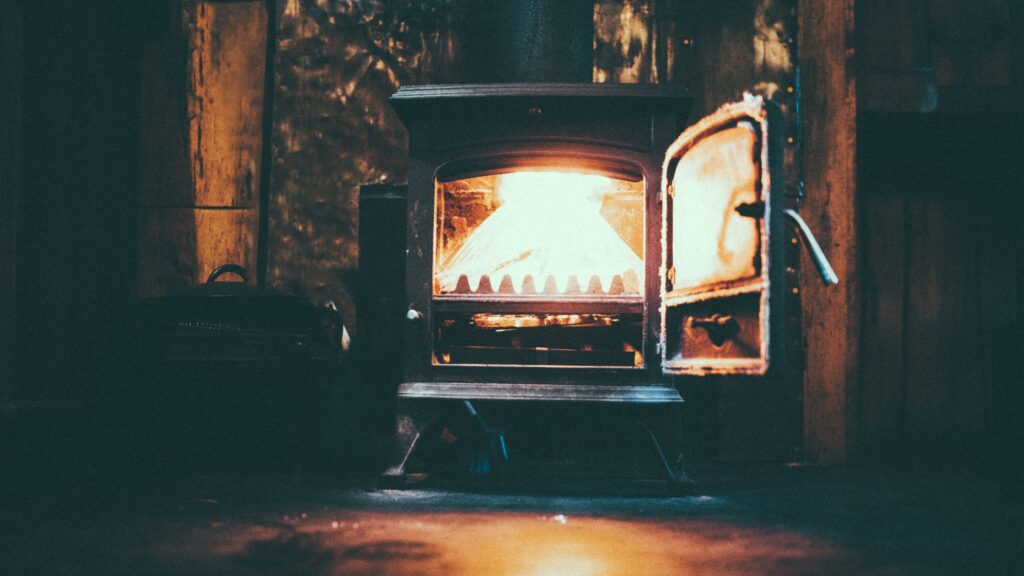
As the temperatures dip and winter approaches, finding effective and efficient ways to heat your home becomes a priority for many. One of the most eco-friendly and cost-effective options available is the pellet stove. This blog post aims to delve into the world of pellet stoves, including their advantages, features, and key considerations when purchasing one.
What is a Pellet Stove?
A pellet stove is a type of heating appliance that burns compressed wood or biomass pellets to produce heat. The pellets are made from various materials, including sawdust, agricultural waste, and wood chips, making them a renewable energy source. Pellet stoves come in two main types: freestanding and insert models, which can easily fit into existing fireplaces.
Table 1: Comparison of Freestanding vs. Insert Pellet Stoves
| Feature | Freestanding Pellet Stove | Insert Pellet Stove |
|---|---|---|
| Installation | Requires minimal setup | Requires professional installation |
| Aesthetics | Freestanding design, visible | Blends into existing fireplace |
| Heat Distribution | Radiates heat in all directions | Utilizes existing chimney |
| Cost | Generally lower | Typically higher due to installation costs |
Advantages of Pellet Stoves
1. Environmental Benefits
Pellet stoves are considered a green heating option. They utilize renewable resources and typically produce significantly lower emissions compared to traditional wood stoves or fossil fuel burners. As a result, they contribute to reduced air pollution and greenhouse gases.
2. Cost-Effectiveness
Pellet fuel is often less expensive than oil, propane, or electric heating systems. The cost can fluctuate based on regional availability, but the long-term savings can be substantial. Additionally, many regions offer incentives for renewable energy installations, which can further ease the financial burden.
3. Convenience
Most modern pellet stoves come with automatic feed systems that regulate the flow of pellets, allowing for greater convenience and less manual intervention. They are equipped with thermostats to maintain consistent temperatures, and many models even offer programmable features.
4. High Efficiency
Pellet stoves boast a high-efficiency rating, often reaching over 85%. This means that a significant portion of the energy contained in the pellets is converted into usable heat. In contrast, traditional wood stoves can have efficiencies as low as 50%.
5. Aesthetic Appeal
With a variety of designs available, pellet stoves can enhance the atmosphere of any space. From sleek modern designs to rustic looks, there’s a pellet stove to fit every decor style.
Key Considerations When Buying a Pellet Stove
When exploring options in a pellet stove shop, prospective buyers should consider several factors to make an informed choice.
1. Size and Heating Capacity
Before purchasing a pellet stove, it’s essential to consider the size of the space you wish to heat. Each stove has a specified heating capacity measured in BTUs (British Thermal Units).
Table 2: BTU Requirements Based on Area
| Area (sq. ft.) | BTU Requirement |
|---|---|
| 500-1,000 | 20,000 – 40,000 |
| 1,000-1,500 | 40,000 – 60,000 |
| 1,500-2,000 | 60,000 – 80,000 |
2. Venting Options
Pellet stoves typically require venting to expel combustion gases. Be sure to check local building codes regarding venting systems. The options may include direct venting, which is installed through an exterior wall, or traditional chimney venting.
3. Hopper Capacity
The hopper is where the pellets are stored before being fed into the burn pot. A larger capacity means longer periods between refills. For homeowners who are busy or away from home frequently, a larger hopper can be a significant advantage.
4. Fuel Quality
The efficiency and performance of a pellet stove largely depend on the quality of the pellets used. Look for premium-grade pellets, which generally have lower ash content and better heat output.
5. Maintenance Requirements
Regular maintenance is essential for optimal performance. Some pellet stoves require daily cleaning while others may have self-cleaning features. It’s essential to understand the maintenance needs of each model.
FAQ (Frequently Asked Questions)
Q: How often do I need to clean my pellet stove?
A: Regular cleaning is necessary to maintain efficiency. Most manufacturers recommend cleaning the burn pot daily and performing a thorough cleaning of the stove every few weeks, depending on usage.
Q: Can I use any type of wood pellet in my stove?
A: No, it is essential to use high-quality pellets that are specifically designed for your stove. Poor-quality pellets can lead to increased ash buildup and lower efficiency.
Q: How much does it cost to operate a pellet stove?
A: Operating costs vary based on local fuel prices and stove efficiency. On average, users can expect to spend about £150-£250 per heating season for pellets to heat an average-sized home.
Q: Are pellet stoves safe?
A: Yes, when properly installed and maintained, pellet stoves are considered safe. They are equipped with safety features such as thermal sensors and automatic shut-off options.
Pellet stoves offer a sustainable and cost-effective way to heat your home during the colder months. When shopping for a pellet stove, it’s vital to consider factors such as size, heating capacity, and maintenance requirements to choose the best model for your needs. Not only do they provide warmth, but they also enhance the aesthetic appeal of your home, making them a worthy investment for eco-conscious homeowners. By understanding the ins and outs of pellet stoves, consumers can enjoy a cozy environment all winter long while minimizing their carbon footprint.
Upgrade your home with Pellet Stoves from Fireplaces And Stove. Find efficient heating options and expert advice for every space!