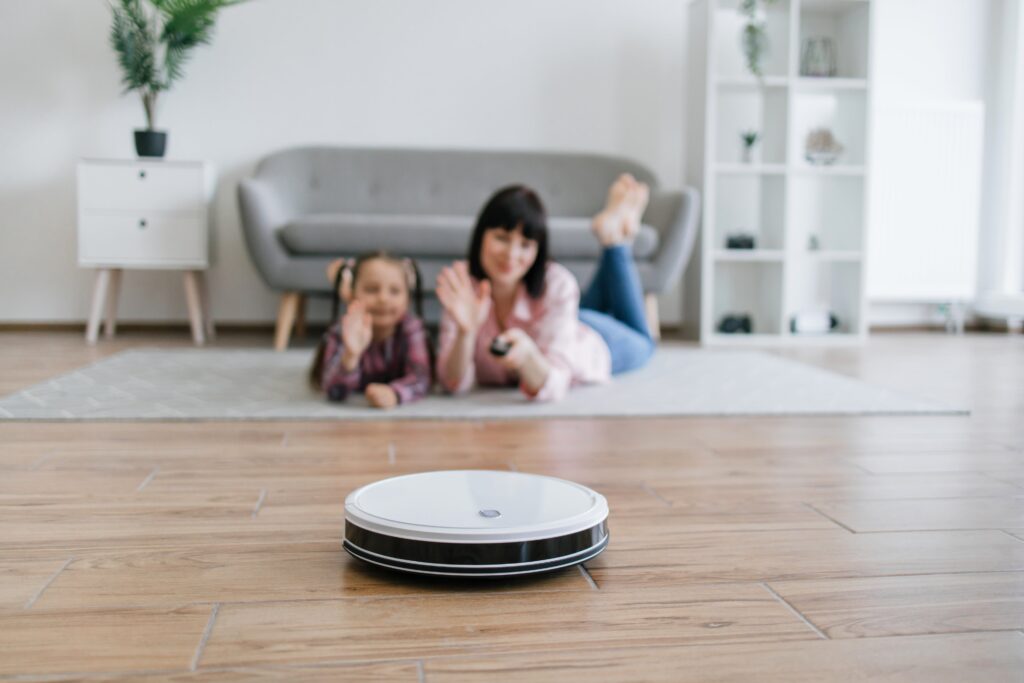
The hum of a robotic vacuum has become a familiar sound in many modern homes, a testament to how technology has revolutionized mundane chores. Yet, for years, the dream of truly autonomous floor cleaning remained incomplete. While robot vacuums tackled dust and debris, the laborious task of mopping often fell back to human hands. This era is rapidly drawing to a close with the advent of the self-mopping robot – a sophisticated evolution that promises not just to vacuum, but to mop, clean its own pads, and even refill its own water, all with minimal human intervention.
What Exactly is a Self-Mopping Robot?
At its core, a self-mopping robot is an advanced cleaning appliance designed to autonomously navigate and clean hard floors. Unlike earlier robotic mops that required manual refilling of water tanks or cleaning of pads, these next-generation devices are characterized by their remarkable self-sufficiency. They integrate a dedicated docking station that acts as a command center for maintenance. This station typically performs several crucial functions:
- Automatic Mop Cleaning: After a mopping session, the robot returns to its base, where its mop pads are washed and scrubbed, usually with clean water and sometimes a cleaning solution.
- Automatic Mop Drying: To prevent mildew, odors, and bacteria growth, the pads are then dried, often using hot air or a fan.
- Automatic Water Refilling: The robot’s internal water tank is automatically refilled from a larger clean water reservoir within the docking station.
- Automatic Dustbin Emptying (for 2-in-1 models): Many self-mopping robots are also capable vacuum cleaners, and their docking stations can automatically empty the robot’s dustbin into a sealed bag.
This level of automation significantly reduces the user’s involvement, transforming the chore of mopping from a manual effort into a scheduled background task.
The Technologies Driving Autonomous Floor Care
The intelligence and efficiency of self-mopping robots stem from a blend of sophisticated technologies:
- Advanced Navigation and Mapping:
- LiDAR (Light Detection and Ranging): Many premium models use LiDAR sensors to create highly accurate maps of a home’s layout, allowing for efficient cleaning paths and precise navigation even in the dark.
- VSLAM (Visual Simultaneous Localization and Mapping): Some robots use cameras to build maps and track their position, offering robust navigation.
- Object Avoidance: AI-powered cameras and sensors identify and steer clear of common household obstacles like cables, shoes, and pet waste, preventing tangles and missed spots.
- Diverse Mopping Systems:
- Rotary Mopping Pads: These dual or triple pads spin at high speeds, mimicking a manual scrub and effectively removing stubborn stains.
- Vibrating/Sonic Mopping Pads: Pads that vibrate at high frequencies to loosen dirt and grime without excessive scrubbing pressure.
- Pressurized Mopping: Some systems apply downward pressure to the mop pads, ensuring closer contact with the floor for a deeper clean.
- Smart Water Management:
- Precision Water Dispensing: Robots can often control the amount of water dispensed based on floor type or user preference, preventing over-wetting.
- Dirt Detection: Sensors may identify particularly soiled areas and direct the robot to re-mop them or use more water.
- Integrated App Control and Smart Home Compatibility:
- Customizable Cleaning: Users can define no-go zones, create virtual walls, schedule cleaning times, and adjust suction/water levels via intuitive smartphone apps.
- Voice Assistant Integration: Many robots can be controlled through voice commands via Amazon Alexa or Google Assistant.
The Undeniable Benefits of Owning a Self-Mopping Robot
Investing in a self-mopping robot brings a host of advantages to the modern household:
- Unparalleled Time-Saving: Eliminate the hours spent pushing a mop or cleaning cloths. The robot handles the daily grind, freeing up your time for more enjoyable activities.
- Consistent and Superior Cleanliness: Robots provide a consistent cleaning performance, using fresh water and clean pads for every session. This means fewer streaks and a more hygienic clean than often achievable with a manual mop.
- Reduced Physical Effort: Ideal for individuals with mobility challenges, busy parents, or anyone who simply despises mopping, these robots take the physical strain out of maintaining clean floors.
- Enhanced Hygiene: The automatic cleaning and drying of mop pads prevent the growth of mildew and bacteria, ensuring that your floors are always cleaned with fresh equipment.
- Smart Integration: Seamlessly fits into a smart home ecosystem, allowing for scheduling, remote control, and integration with other smart devices.
- Pet-Owner Friendly: Effectively tackles pet hair, paw prints, and spills, contributing to a fresher home environment.
How They Work: A Typical Cleaning Cycle
The operation of a self-mopping robot is a marvel of integrated engineering:
- Initial Mapping: Upon its first run (or during a dedicated mapping run), the robot uses its sensors to create a detailed map of your home.
- Pre-Cleaning (Vacuuming): If it’s a 2-in-1 model, it first vacuums the area to pick up loose dirt, dust, and debris. This prevents dirt from turning into mud during mopping.
- Mopping Begins: The robot’s water tank is automatically filled from the clean water reservoir in the base station. It then navigates through the mapped area, dispensing water and scrubbing the floor with its rotating or vibrating pads.
- Mid-Session Mop Cleaning (for some models): For larger homes or very dirty floors, some advanced robots will periodically return to the base station to rinse their mop pads with clean water before resuming the cleaning cycle.
- Return to Base: Once the cleaning session is complete, or its battery runs low, the robot autonomously returns to its docking station.
- Automatic Maintenance: At the base, the robot’s mop pads are thoroughly washed and scrubbed clean with fresh water. The dirty water is collected in a separate dirty water tank.
- Mop Drying: A hot air or fan drying system activates to dry the mop pads, preventing odors and bacteria.
- Dustbin Emptying (if applicable): The robot’s dustbin is automatically emptied into a sealed bag in the base station.
- Battery Recharging: The robot recharges its battery, preparing for the next scheduled cleaning or manual command.
Key Considerations Before Purchasing a Self-Mopping Robot
While the allure of a self-cleaning mop is strong, several factors should influence your decision:
| Factor | Description | Importance |
|---|---|---|
| Floor Types | Ensure the robot is suitable for your specific hard floors (tile, laminate, sealed hardwood, vinyl). Some models have carpet detection to avoid mopping carpets. | Crucial to prevent damage to flooring and ensure effective cleaning. |
| Home Size | Consider the battery life and water tank capacity. Larger homes might benefit from models that can automatically refill water and clean pads mid-cycle. | Impacts how much of your home can be cleaned in a single session without intervention. |
| Budget | Self-mopping robots vary significantly in price, with premium models offering more advanced features (auto-refill, hot water washing, advanced object avoidance). | Helps narrow down options to what is financially feasible, balancing features with cost. |
| Maintenance | While mostly autonomous, users still need to empty dirty water tanks, refill clean water tanks, and occasionally replace dust bags or mop pads. Consider how often these tasks need to be performed. | Determines the true level of “hands-off” ownership and ongoing running costs. |
| Specific Needs | Do you have pets (need strong suction, good object avoidance for pet waste)? Allergies (need good filtration, sealed dustbins)? Do you need customizable cleaning zones? | Tailors the robot to address your household’s unique challenges and ensures maximum satisfaction. |
| Noise Level | Consider the robot’s operating noise during cleaning and at the base station (especially during mop washing/drying) if it will run frequently or in open-plan living areas. | Important for comfort, especially if running the robot while at home or during quiet hours. |
The Future of Floor Cleaning is Here
Self-mopping robots represent a significant leap forward in home automation, moving beyond simple task automation to true self-sufficiency. As technology continues to evolve, we can anticipate even smarter AI, more durable materials, enhanced cleaning solutions, and perhaps even multi-floor capabilities. For now, these intelligent machines offer a tangible path to consistently clean, sparkling floors without the usual effort and mess. They are not merely gadgets; they are key players in the ongoing evolution of smart living, promising a cleaner, more convenient future for homes worldwide.
Frequently Asked Questions (FAQ) about Self-Mopping Robots
Q1: Can self-mopping robots truly replace manual mopping?A1: For routine maintenance and daily cleaning, absolutely. They excel at keeping floors consistently clean, preventing dirt buildup, and tackling everyday spills. For very deep cleaning or highly stubborn, dried-on stains, a manual spot clean might occasionally be needed, but for most households, they significantly reduce or eliminate the need for manual mopping.
Q2: Are they safe for all hard floor types?A2: Most self-mopping robots are safe for sealed hard floors such as tile, sealed hardwood, laminate, and vinyl. However, it’s crucial to check the manufacturer’s specifications for your specific model and floor type. They are generally not recommended for unsealed hardwoods or certain delicate natural stones that are sensitive to moisture. Many models also have carpet detection to avoid mopping rugs or carpets.
Q3: How often do I need to maintain a self-mopping robot?A3: While they are largely autonomous, some maintenance is required. This typically includes:
- Refilling the clean water tank and emptying the dirty water tank every 1-3 cleaning sessions (depending on home size and usage).
- Replacing the dust bag in the auto-empty station every 1-2 months.
- Washing/replacing mop pads every few months, depending on usage.
- Cleaning brushes, filters, and sensors periodically (e.g., monthly).The frequency depends on usage and home conditions.
Q4: Do they use special cleaning solutions?A4: Many manufacturers recommend or provide their own brand of cleaning solution that is safe for the robot and your floors. It’s generally best to stick to these recommended solutions or use plain water, as harsh chemicals or sudsy detergents can damage the robot’s internal components, clog nozzles, or leave residue on your floors.
Q5: Are self-mopping robots expensive?A5: The cost varies widely based on features, brand, and level of autonomy. Entry-level models that primarily mop and have limited self-cleaning features can be moderately priced, while premium 2-in-1 vacuum and self-mopping robots with advanced navigation, auto-fill, auto-empty, and hot water mop washing can be a significant investment, often ranging from £800 to over £1500. However, for the convenience and time saved, many users find the investment worthwhile.
Discover the best Self Mopping Robot for spotless floors! Compare top models, reviews, and expert tips at Robot Vacuum Mops UK today.