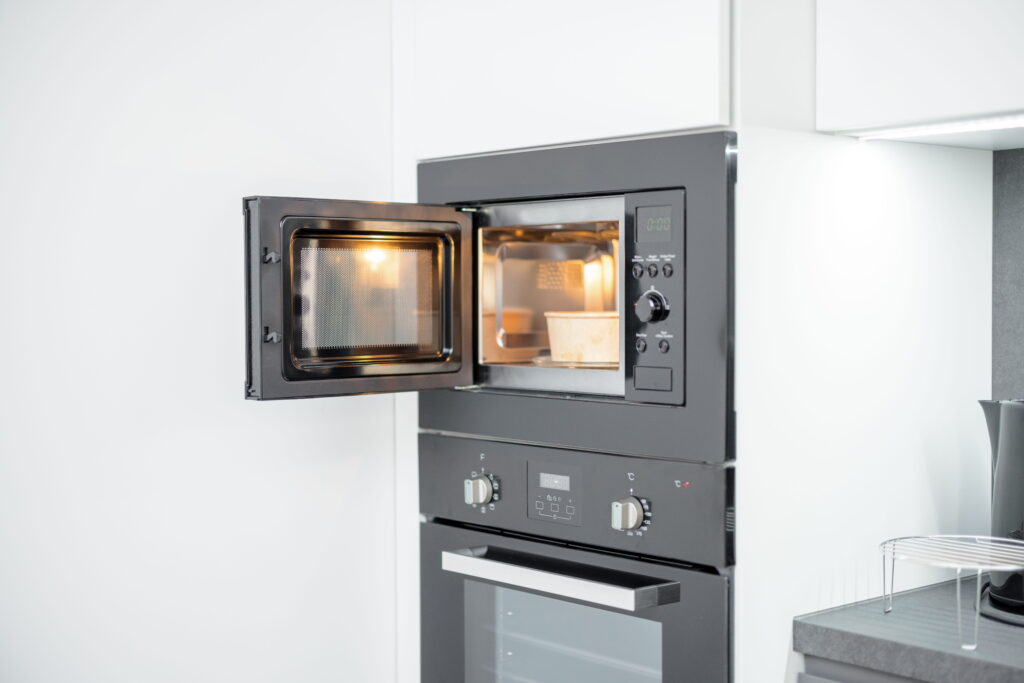
In modern kitchens, where space is often at a premium and aesthetics play a critical role, built-in microwaves have emerged as a popular solution. These appliances not only save counter space but also blend seamlessly with cabinetry, providing a streamlined look that enhances the overall design of the kitchen. In this blog post, we will delve into the various aspects of built-in microwaves, discussing their benefits, features, installation considerations, and maintenance tips.
What is a Built-In Microwave?
A built-in microwave is a microwave oven specifically designed to be installed directly into cabinetry rather than placed on the countertop. These microwaves often come with customizable trim kits, allowing for a perfect match with existing cabinetry, and they are available in various sizes, styles, and functions. Built-in microwaves can be installed at eye level or under the counter, making them accessible and user-friendly.
Advantages of Built-In Microwaves
Built-in microwaves present several advantages for homeowners, especially those looking to optimize their kitchen’s functionality and appearance.
| Advantage | Description |
|---|---|
| Space-Saving Design | Frees up countertop space for other kitchen essentials. |
| Enhanced Aesthetics | Provides a seamless, integrated look that elevates kitchen design. |
| Easy Accessibility | Can be installed at eye level for easy access, reducing bending. |
| Increased Property Value | A modern kitchen with built-in appliances can boost home resale value. |
| Advanced Features | Often equipped with convection cooking, sensors, and multiple cooking modes. |
Features to Consider
When selecting a built-in microwave, it’s essential to consider various features that cater to your cooking habits and lifestyle.
Key Features
| Feature | Description |
|---|---|
| Size and Capacity | Available in multiple sizes (typically 24″, 27″, and 30″) to fit your space. |
| Power Level | Usually ranges from 600 to 1200 watts; higher wattage cooks food faster. |
| Cooking Modes | Options like defrost, reheat, bake, and grill add versatility. |
| Control Panel | Digital controls offer user-friendly programming and sensor cooking features. |
| Ventilation Options | Some models come with built-in ventilation for range hoods. |
| Trim Kits | Customizable kits for a polished finish that matches cabinetry. |
Installation Considerations
Installing a built-in microwave requires careful planning and attention to detail. Here are some factors to keep in mind:
-
Location: Choose an appropriate location within your kitchen layout, considering height and accessibility. Microwaves are often installed at eye level to prevent strain.
-
Electrical Requirements: Ensure that the installation complies with local building codes regarding electrical connections. Built-in microwaves usually require a dedicated circuit.
-
Ventilation: If the microwave is being installed with a range or oven below, consider models with built-in ventilation or plan for external ventilation.
-
Cabinetry: Ensure the cabinetry can support the microwave’s weight. It is advisable to consult a professional for structural integrity and installation.
-
Trim Kits: If your microwave requires a trim kit, ensure it is compatible with the appliance model and your cabinetry.
Maintenance Tips
To ensure longevity and optimal performance of built-in microwaves, regular maintenance is crucial.
-
Regular Cleaning: Wipe the interior and exterior regularly using a mild detergent and damp cloth to prevent grease buildup and maintain a polished appearance.
-
Inspect Seals: Check the door seals occasionally for wear and tear, as they are crucial for maintaining cooking efficiency.
-
Handle with Care: Avoid slamming the microwave door as this can damage the hinges and seals.
-
Run a Test: Periodically test the microwave to ensure it’s heating evenly. If food is cooking unevenly, the appliance may need service.
-
Professional Servicing: Schedule professional servicing every couple of years to check internal components and ensure everything is functioning correctly.
Frequently Asked Questions (FAQ)
1. How much does a built-in microwave cost?
The cost of built-in microwaves varies widely depending on the brand, features, and style. Prices typically range from £300 to £1,500.
2. Can I install a built-in microwave myself?
While some homeowners attempt DIY installations, it is advisable to hire a professional to ensure proper installation, especially regarding electrical connections and structural support.
3. Are built-in microwaves energy-efficient?
Yes, built-in microwaves are generally energy-efficient, especially when compared to traditional ovens. Many models come with energy-saving settings.
4. What is the average lifespan of a built-in microwave?
On average, built-in microwaves last about 9 to 10 years with proper maintenance.
5. Can I use a built-in microwave like a conventional oven?
Some built-in microwaves come with convection features, allowing them to function similarly to a conventional oven by circulating hot air for even cooking.
Built-in microwaves are a brilliant addition to any modern kitchen, offering both style and practicality. With their space-saving designs, advanced features, and integration into cabinetry, these appliances enhance the kitchen’s overall aesthetic and functionality. When considering a built-in microwave, attention to size, power, and installation is vital. By following proper maintenance tips, homeowners can ensure that their built-in microwave remains a reliable kitchen companion for years to come.
Investing in a built-in microwave is not just a trend; it is an upgrade that reflects a sophisticated approach to cooking and kitchen design. Whether one is remodeling a kitchen or simply looking to enhance its functionality, built-in microwaves are worth considering.
Upgrade your kitchen with premium Built-In Microwaves from Ovens and Hobs. Explore our sleek designs for convenient and modern cooking solutions.