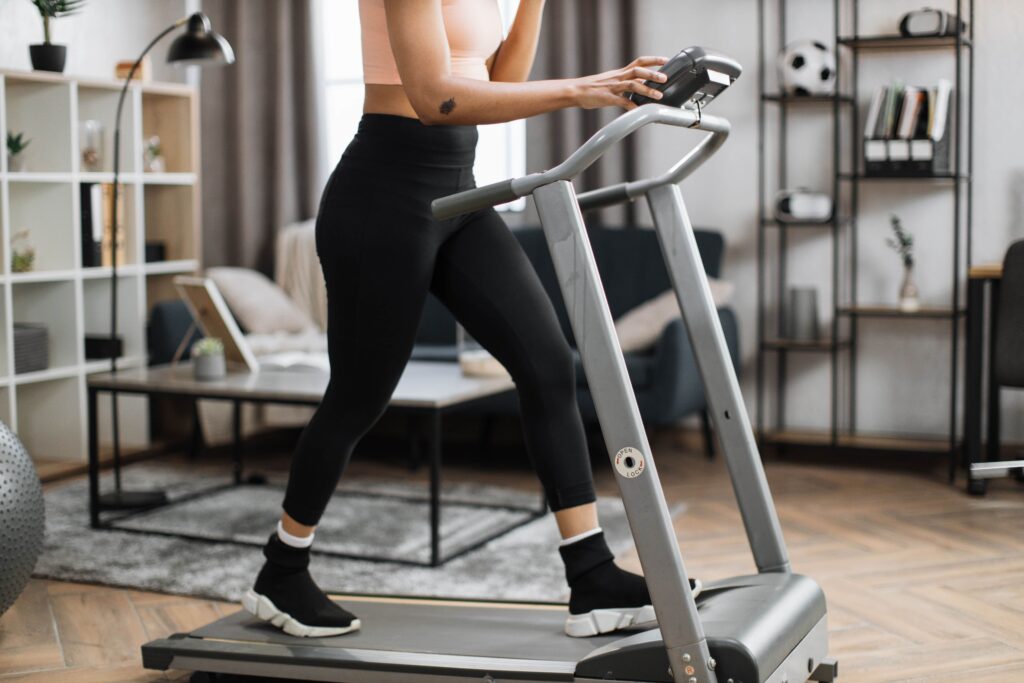
In recent years, fitness enthusiasts and casual exercisers alike have witnessed a surge in the popularity of self-propelled treadmills. Unlike traditional motorized treadmills, these innovative machines operate without electricity, relying solely on the user’s movement to power the belt. This unique approach offers a range of benefits that cater to various fitness levels and goals. This blog post dives into the world of self-propelled treadmills, exploring their advantages, functionality, and how they stand out in the fitness landscape.
What is a Self-Propelled Treadmill?
A self-propelled treadmill, often referred to as a manual treadmill, features a belt that moves in response to the user’s movement. Therefore, the faster the user runs or walks, the faster the treadmill belt moves. This design not only allows for a more natural running gait but also engages a higher percentage of the muscles, offering a more effective workout.
Key Features of Self-Propelled Treadmills:
| Feature | Description | Benefits |
|---|---|---|
| Non-Motorized Design | Operates entirely on user movement. | Eco-friendly and cost-effective. |
| Adjustable Incline Settings | Many models feature adjustable incline options. | Enhances workout intensity and variety. |
| Durability | Often built with sturdy materials to withstand rigorous use. | Long-lasting performance and reliability. |
| Compact Size | Many models are designed to be portable and easy to store. | Ideal for home gyms with limited space. |
| Real-Time Feedback | Some models come equipped with monitors displaying speed, distance, and calories burned. | Enables users to track their progress. |
Advantages of Self-Propelled Treadmills
-
Enhanced Workout Efficiency: The resistance provided by a self-propelled treadmill requires users to exert more effort, which enhances calorie burn and improves cardiovascular fitness over time.
-
Improved Engagement: Users have greater control over speed and intensity, making workouts more engaging and personalized to their fitness levels.
-
Increased Muscular Engagement: Running on a self-propelled treadmill activates more muscle fibers compared to traditional treadmills, leading to better strength and endurance development.
-
Low Impact on Joints: Many self-propelled treadmills are designed with shock-absorbing features that provide a safer running surface, reducing joint strain significantly.
-
Cost-Effectiveness: Without the need for electricity, self-propelled treadmills often come at a lower price point. They also eliminate long-term energy costs associated with electric machines.
Comparative Analysis: Self-Propelled vs. Motorized Treadmills
| Aspect | Self-Propelled Treadmills | Motorized Treadmills |
|---|---|---|
| Power Source | Manual (user-powered) | Electric (motor-driven) |
| Speed Control | User determines speed | Pre-set speed; user can adjust within range |
| Cost | Generally lower upfront cost | Higher upfront cost due to motor and technology |
| Portability | Often lighter and foldable | Typically heavier, less portable |
| Maintenance | Low maintenance | Requires regular maintenance for motors |
Choosing the Right Self-Propelled Treadmill
When selecting the perfect self-propelled treadmill, consider the following factors:
-
Space Availability: Measure your available workout space to ensure the selected model fits comfortably.
-
User Weight Capacity: Check the weight limit of the treadmill to ensure it accommodates all potential users.
-
Incline Options: Look for models with adjustable incline settings to diversify your workout routines.
-
Durability and Build Quality: Opt for materials that offer longevity, especially if it will be used frequently.
-
Reviews and Brand Reputation: Research customer reviews and brand history to gauge the reliability and performance of your chosen model.
Popular Self-Propelled Treadmill Models
| Model Name | Key Features | Price Range |
|---|---|---|
| Xterra Fitness TR150 | Adjustable incline, large running surface | £300 – £400 |
| TrueForm Runner | Durable construction, ergonomic design | £3,500 – £4,000 |
| Sunny Health & Fitness Manual Treadmill | Compact, simple setup | £150 – £300 |
| Assault Fitness AirRunner | Built for serious training, excellent durability | £3,000 – £4,000 |
FAQs about Self-Propelled Treadmills
Q: Are self-propelled treadmills suitable for beginners?
A: Yes, self-propelled treadmills can be adjusted to the user’s fitness level, making them suitable for beginners and more advanced users alike.
Q: How much space do I need for a self-propelled treadmill?
A: It depends on the model, but generally, look for a space that allows for at least 6 feet in length and 3 feet in width for safety and ease of movement.
Q: Do I need special shoes for a self-propelled treadmill?
A: Standard running shoes are typically sufficient. However, consider shoes with good traction and cushioning for better comfort and support.
Q: Can I use a self-propelled treadmill for walking?
A: Absolutely! Self-propelled treadmills are versatile and can be used for both walking and running.
Q: What is the average lifespan of a self-propelled treadmill?
A: With proper maintenance, a high-quality self-propelled treadmill can last anywhere from 10 to 15 years.
Self-propelled treadmills represent a significant shift in the realm of at-home fitness equipment. With their eco-friendly, cost-effective design and the ability to deliver a highly engaging workout experience, they are becoming an increasingly popular choice among fitness enthusiasts. Whether you’re a seasoned athlete or just starting your fitness journey, investing in a self-propelled treadmill can elevate your training routine. By understanding their features, benefits, and considerations, users can find the perfect model that aligns with their fitness goals and lifestyle.
Discover the ultimate in-home workout experience with Self Propelled Treadmills from Home Treadmills. Get ready to take your fitness to the next level with our top-of-the-line equipment!