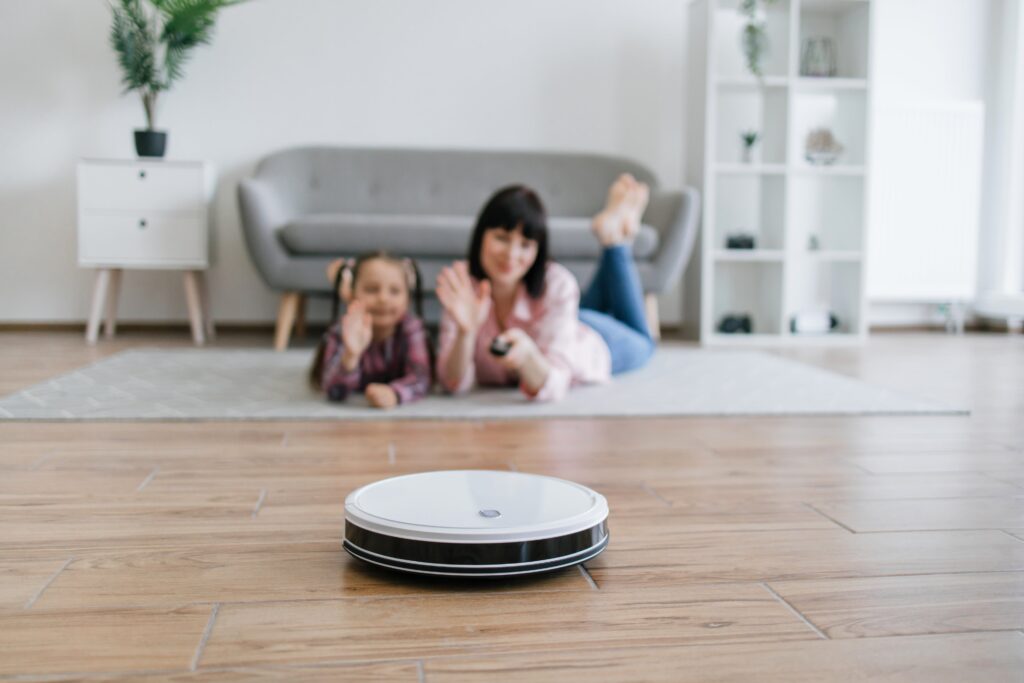
In recent years, the emergence of robot vacuums has transformed the way households manage cleaning chores. These compact, automated devices have rapidly gained popularity for their efficiency and convenience. As technology advances, robot vacuums are becoming smarter, more capable, and more affordable, leading to their widespread adoption in homes worldwide.
What Are Robot Vacuums?
Robot vacuums are autonomous cleaning devices designed to perform floor-cleaning tasks without human intervention. They utilize a combination of hardware and software – including sensors, cameras, and artificial intelligence – to navigate spaces, avoiding obstacles and determining the most efficient cleaning routes.
Key Features of Robot Vacuums
- Autonomous Operation: Most robot vacuums can clean an entire space without the need for manual operation.
- Smart Mapping: Advanced models create a map of the home, learning the layout over time.
- Scheduled Cleaning: Users can set cleaning schedules, allowing the vacuum to operate at specific times even in the owner’s absence.
- Mobile Connectivity: Many robot vacuums feature apps that allow users to control and monitor cleaning activities from their smartphones.
- Obstacle Detection: Built-in sensors help to recognize furniture and other objects, preventing collisions and ensuring thorough cleaning.
Advantages of Using Robot Vacuums
There are several advantages to incorporating a robot vacuum into home cleaning routines.
1. Convenience
Robot vacuums eliminate the manual effort involved in regular cleaning. Users can easily set a schedule for the vacuum to operate while they attend to other tasks.
2. Time-Saving
With autonomous operation, time spent on cleaning can be reduced considerably. Robot vacuums can clean floors while users engage in other activities, thus optimizing daily routines.
3. Consistent Cleaning
Unlike traditional vacuums, which may only be employed sporadically, robot vacuums can maintain a regular cleaning schedule. This leads to a cleaner home environment over time.
4. Hard-to-Reach Areas
Robot vacuums are designed to reach narrow spaces under furniture where traditional vacuums may struggle. This helps ensure a more thorough clean.
5. Cost-Effectiveness
While the initial investment in a robot vacuum can be significant, the long-term savings in labor and cleaning supplies can make it a cost-effective option for many households.
Table: Comparison of Popular Robot Vacuums
| Model | Price Range | Battery Life (minutes) | Smart Features | Noise Level (dB) | Ideal for |
|---|---|---|---|---|---|
| iRobot Roomba i7+ | £600 – £900 | 90 | App control, mapping | 60 | Pet owners |
| Neato Botvac D7 | £600 – £700 | 120 | App control, zone cleaning | 67 | Large areas |
| Roborock S6 | £400 – £600 | 180 | App control, mopping | 58 | Multi-level homes |
| Ecovacs Deebot Ozmo T8 | £700 – £900 | 180 | App control, advanced mapping, self-empty | 65 | Families with children |
Considerations When Choosing a Robot Vacuum
When investing in a robot vacuum, consumers should consider several factors to ensure they select the right model for their needs.
1. Floor Type
Different models are designed for specific types of flooring. Homes with carpets may benefit from vacuums equipped with stronger suction power, while those with hard floors can opt for models designed for surface cleaning.
2. Pet Hair
For pet owners, a vacuum with robust suction and specialized brushes for hair removal is essential. Additionally, models with a self-emptying feature can help reduce maintenance.
3. Battery Life
Longer battery life means that the robot can clean larger areas without needing a recharge. Consider the size of the home when assessing battery capabilities.
4. Smart Features
Many models offer advanced features like mapping capabilities and integration with smart home systems. Determine which features are necessary for the user’s lifestyle.
5. Maintenance
Ensure that the vacuum’s filters and brushes are easy to clean and replace. Regular maintenance tasks can significantly extend the life of the device.
FAQs About Robot Vacuums
1. How do robot vacuums navigate homes?
Robot vacuums use a combination of sensors, cameras, and algorithms to map their surroundings, navigate around obstacles, and plan the most efficient cleaning routes.
2. Can robot vacuums clean multiple floors?
Many advanced models have the capability to store multiple maps and transition between different floors.
3. Do robot vacuums work well on carpets?
While many robot vacuums are effective on carpets, it’s important to choose models that specifically mention carpet cleaning capabilities for the best results.
4. How often should I run my robot vacuum?
This depends on the household and its cleaning needs. Many users benefit from running their robot vacuums daily or every few days, especially in homes with pets or children.
5. Are robot vacuums noisy?
Noise levels vary by model, but most are significantly quieter than traditional vacuums, typically operating at around 50 to 70 decibels.
The advent of robot vacuums has revolutionized the methodology of home cleanliness, offering an efficient, cost-effective, and convenient solution for households around the globe. As technology continues to advance, these devices are set to become even more sophisticated, promising an ever-evolving landscape of automated home care. Investing in a robot vacuum may not only simplify the cleaning process but also enhance the overall quality of life by freeing up valuable time for users to focus on what truly matters.
Looking for a convenient way to keep your floors clean? Discover the efficiency and convenience of Robot Vacuum by Robot Vacuum Mops. Say goodbye to manual cleaning!